FAQs
What is ABA?
Applied Behavior Analysis is the study of how behavior relates to one’s environment. Data is collected on environmental factors that elicit, increase, decrease, or maintain behavior. That information is analyzed to create individualized treatment goals. As children grow in skill, data continues to be collected an reviewed to determine treatment effectiveness.
What does it mean to be trauma assumed?
Being trauma-assumed in ABA means approaching every client with the understanding that we cannot know the full extent of thier past experiences, and therefor we operate from the ssumption that trauma may be present, even if it has not been disclosed or identified.
This mindset promotes safety, dignity, and compassion. Instead of waithing for proof of trauma, a trauma-assumed ABA practitioner intentionally creates an environment and therapeutic process that protects against re-traumatization ans supports emotional well-being.
What is ACT and why do you use it?
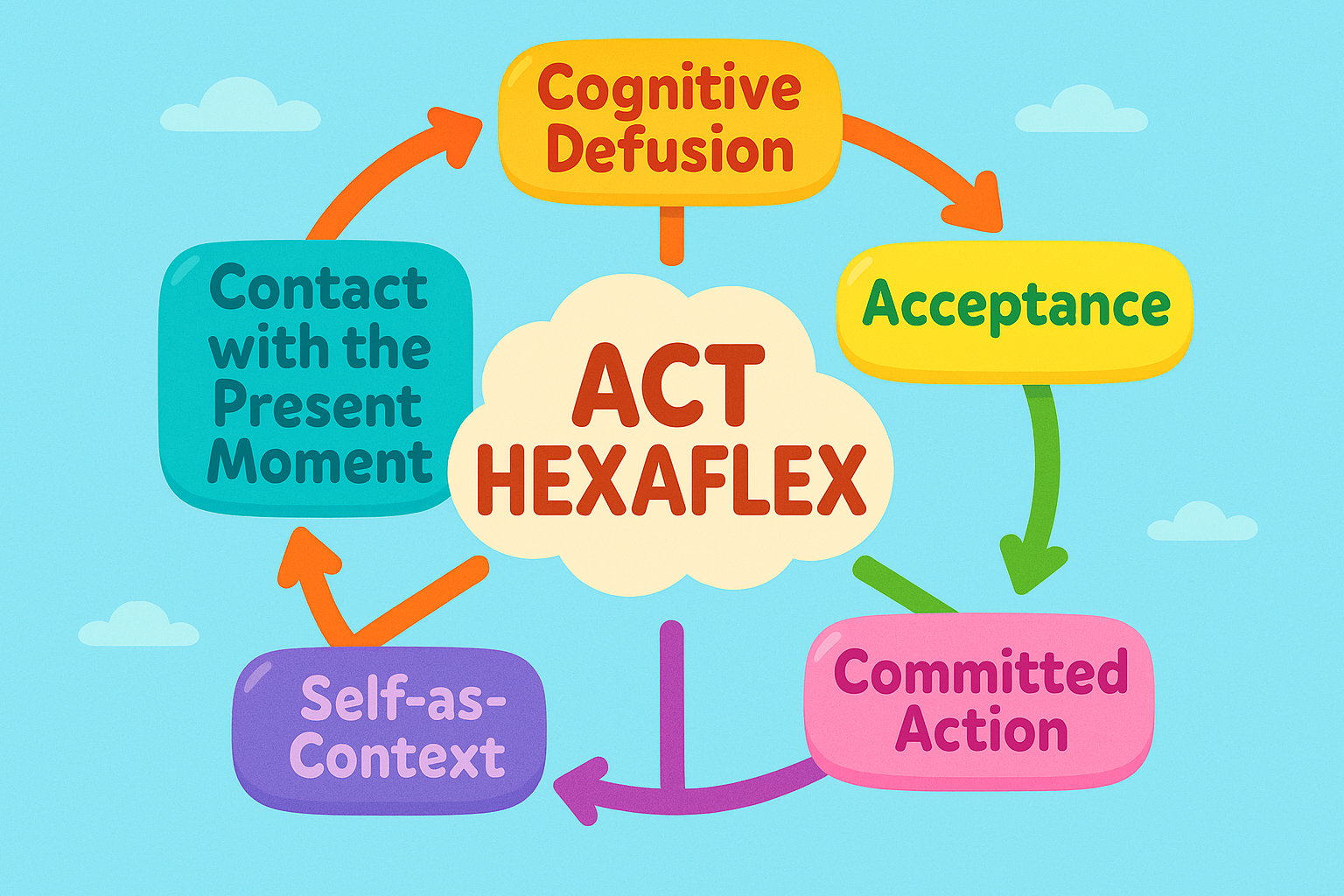
Acceptance and Commitment Training (ACT) is a modality of treatment whereby a practitioner helps an individual build psychological flexibility — the ability to stay present, manage difficult thoughts or feelings, and make choices guided by personal values. In ABA practice, ACT strategies support skill-building by addressing the internal experiences (private events) that can influence behavior.
ACT helps clients to notice thoughts and emotions without getting stuck in them (defusion), accept uncomfortable feelings instead of fighting them, stay grounded in the present moment, clarify what truly matters to them (values), and take meaningful, intentional actions.
By pairing behavior-analytic strategies with ACT processes, clinicians can support clients in developing resilience, engaging in valued behaviors, and improving overall quality of life.
Do you accept insurance?
Yes! We accept Colorado Medicaid, Aetna, and TRICARE. We also accept private pay.